

Benilde Educators Highlight the Role of FSL Interpreters in "Pilipinas Ngayon Na!"
Benilde Educators Highlight the Role of FSL Interpreters in "Pilipinas Ngayon Na!"
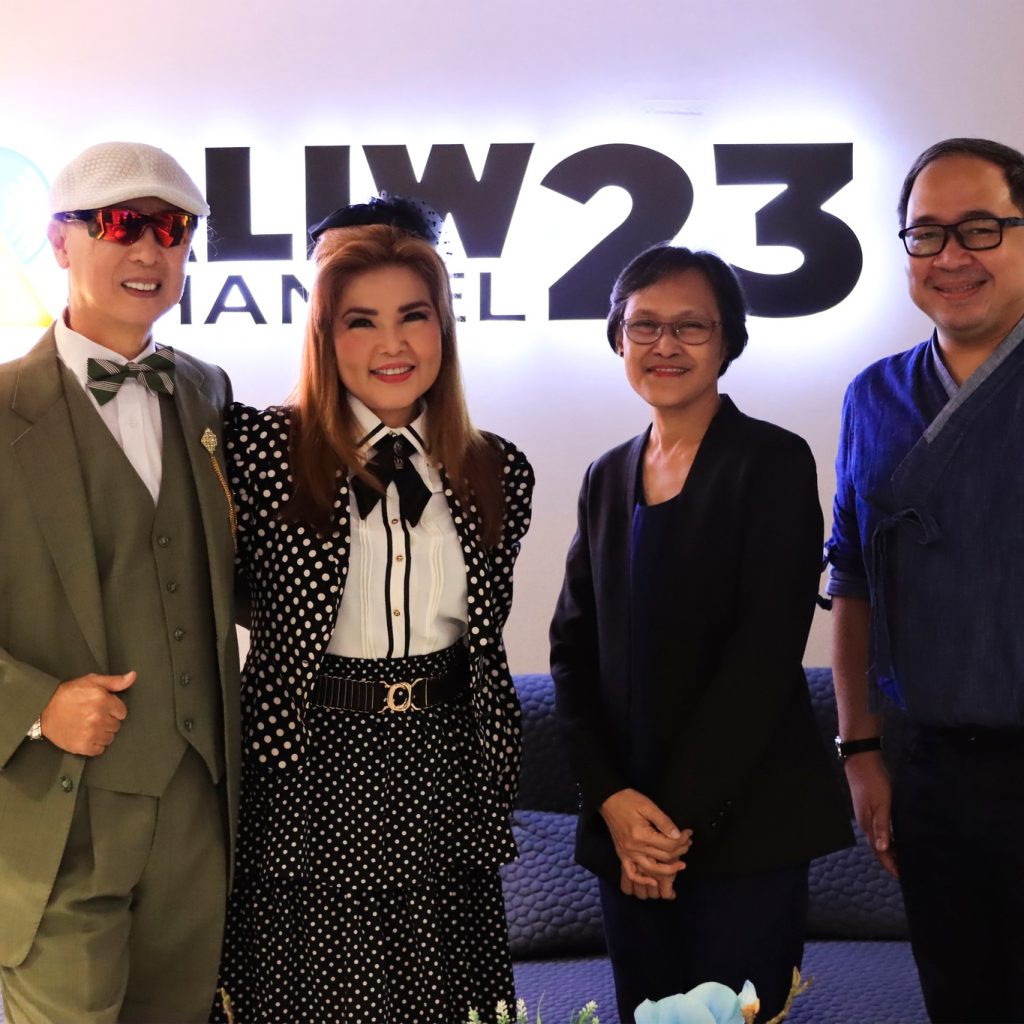
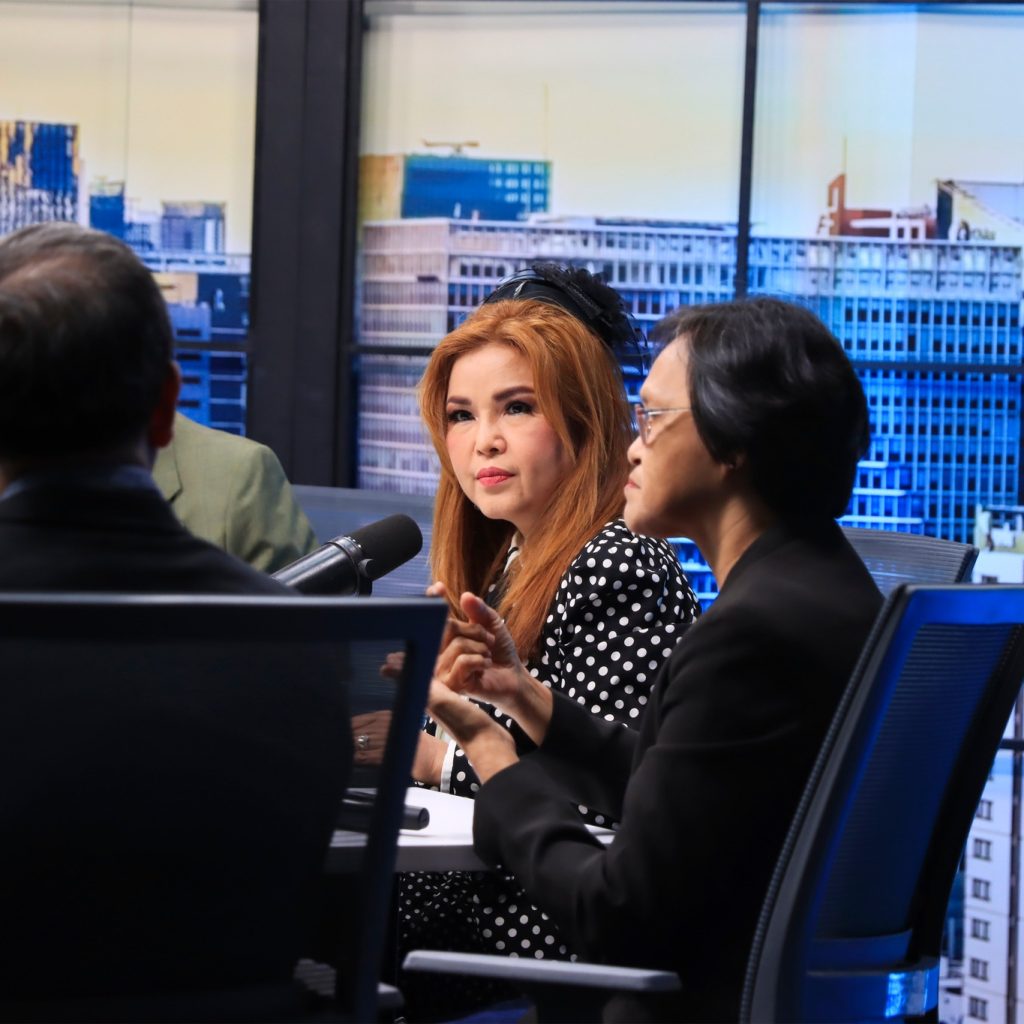
The importance of Filipino Sign Language (FSL) interpreting in ensuring accessibility for the Deaf community took center stage in a special feature on “Pilipinas Ngayon Na!”, a multi-awarded teleradyo program hosted by Former Deputy Press Secretary Robert T. Rivera and Lady Elyza (Nerliza Elyza F. Rivera).
Two esteemed educators from the Benilde School of Deaf Education and Applied Studies (SDEAS), Mr. John Xandre Baliza and Ms. Ma. Teresa Buenaventura, shared their insights on the challenges and advancements in FSL interpretation and Deaf advocacy in the Philippines.
Advancing FSL Interpretation Through Education
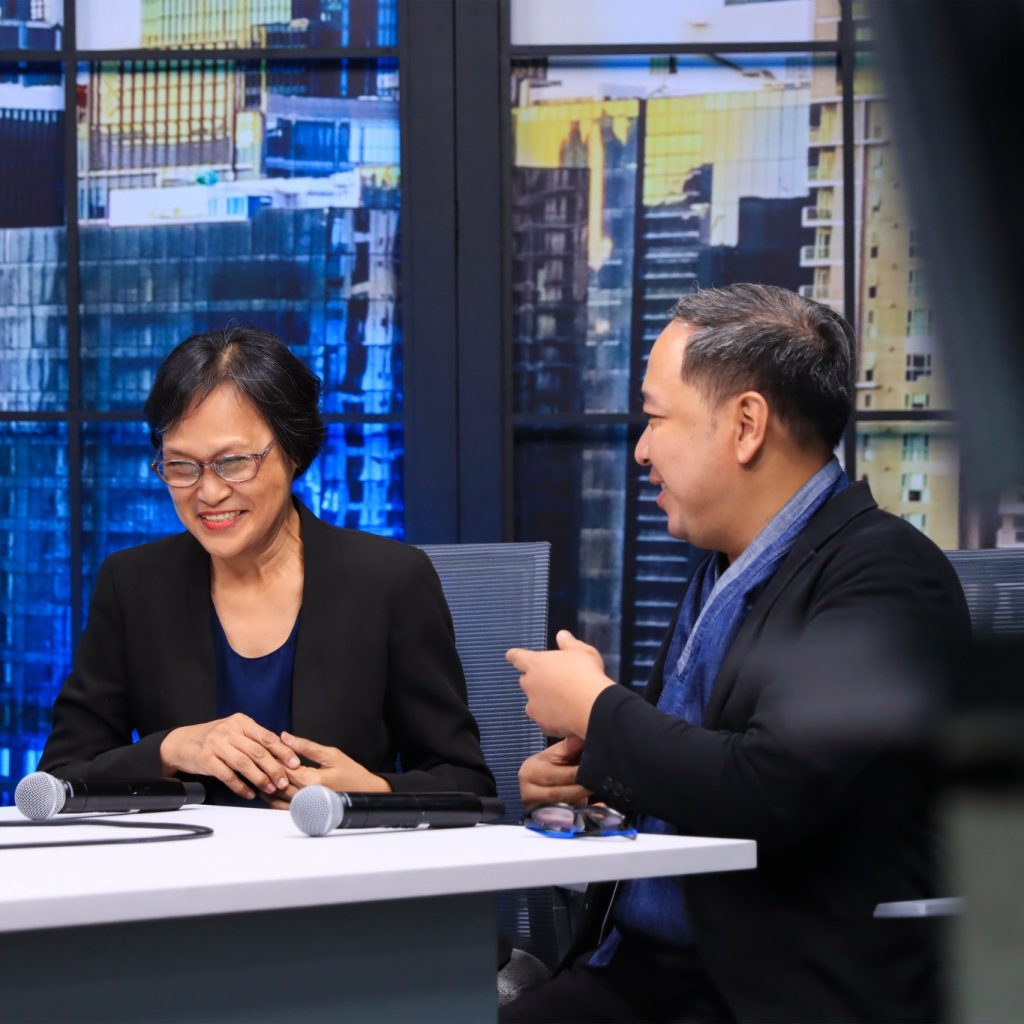
Baliza, chairperson of the pioneering Bachelor in Sign Language and Interpreting (BSLI) program at Benilde, emphasized the growing demand for qualified and ethical FSL interpreters. His leadership in the BSLI program has been instrumental in shaping a new generation of professionals equipped to meet the accessibility needs of the Deaf and hard-of-hearing community. With his experience as an FSL interpreter at both local and international levels, Baliza underscored the role of education in professionalizing interpreting services and ensuring equal opportunities for Deaf individuals in various sectors.
Buenaventura, a seasoned interpreter and retired part-time faculty member of Benilde SDEAS, highlighted her 36 years of service to the Filipino Deaf community. Her work extends beyond academia, as she continues to support the Deaf community through initiatives such as rebuilding the Deaf ministry at the Immaculate Conception Cathedral in Pasig City and teaching Religion to Deaf students at Bagong Ilog Elementary School. Her dedication reflects the crucial role of interpreters not only in educational settings but also in religious and community spaces.
Addressing the Shortage of FSL Interpreters
One of the key issues raised in the discussion was the shortage of qualified FSL interpreters in the country. Both Baliza and Buenaventura stressed that while there is increasing awareness of the importance of FSL, the number of trained professionals remains insufficient to meet the growing demand. They emphasized the need for structured training programs, institutional support, and policy development to ensure that FSL interpreting continues to thrive as a profession.
Furthermore, they highlighted the significance of collaboration between educational institutions, government agencies, and advocacy groups in strengthening accessibility efforts for the Deaf community. Through continuous education, mentorship, and policy advocacy, they believe that more individuals can be empowered to take on the responsibility of bridging communication gaps and upholding the rights of the Deaf.
Sustaining the Advocacy for Accessibility
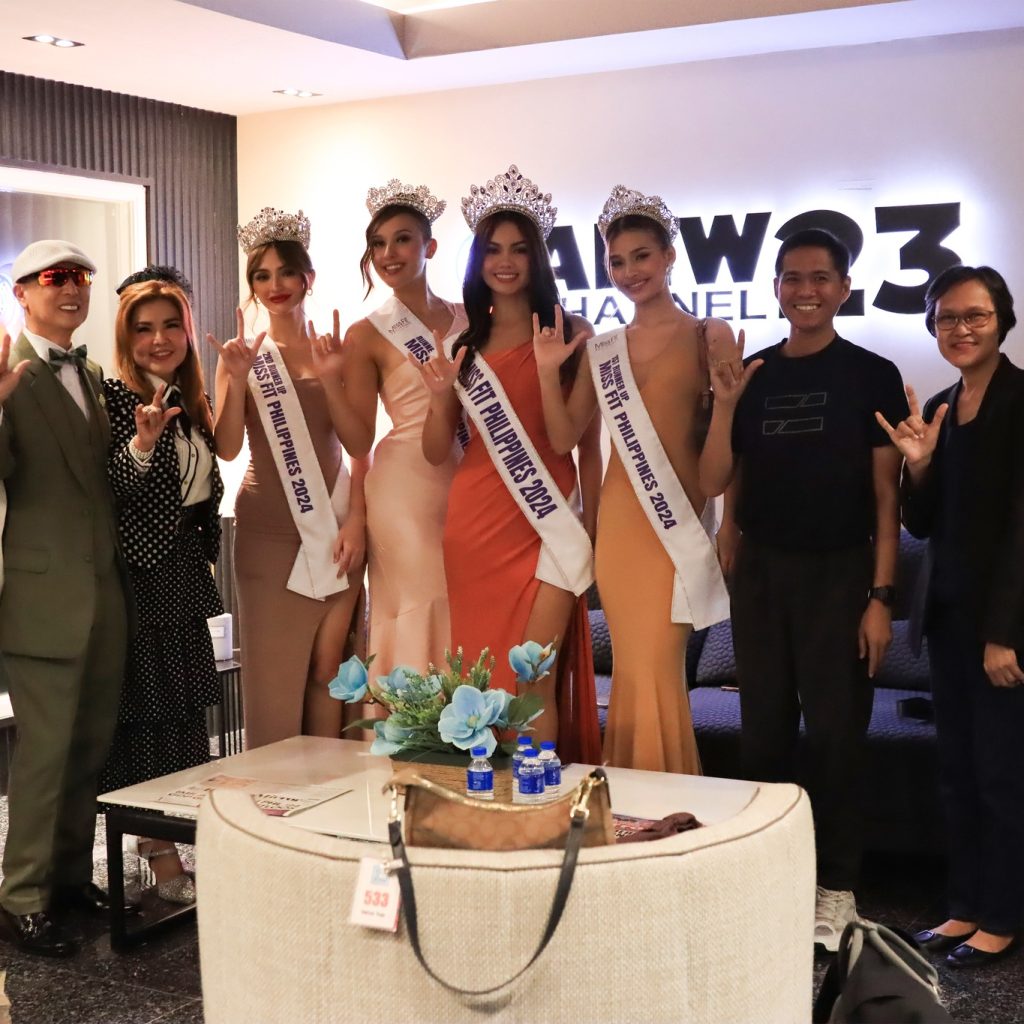
Their insights serve as a reminder of the ongoing challenges in accessibility and the collective responsibility to promote inclusivity at all levels of society. The conversation on FSL interpreting and Deaf advocacy continues to be relevant, urging institutions and individuals alike to support initiatives that uphold the rights of the Deaf and hard-of-hearing.